SLEEVES
Threaded sleeves
Slotted steel sleeves for the prop adjustment assembly. Match the mating nut, thread profile and prop tube before ordering.
Threaded sleeves, adjustment nuts, support pins and plates for adjustable steel props.
Find the right component family, inspect the details and send us your dimensions. Nuohong helps you define a coordinated component order.
Sleeve dimensions are reference options. Confirm thread fit, coating and the assembly drawing for your selected prop.
Compare physical forms first. Then confirm the mating dimensions and finish for your prop assembly.
Slotted steel sleeves for the prop adjustment assembly. Match the mating nut, thread profile and prop tube before ordering.
Tubular internally threaded bodies with welded handles. Handle layout and body length depend on the selected prop design.
Alternative adjustment-nut formats. Select by thread fit, contact face and operating clearance, not appearance alone.
Formed pins and square or profiled plates. Pin diameter, plate thickness and hole layout must match the prop drawing.
External threads and longitudinal slots shown in stock. Specify finish and length with the corresponding nut.
Individual adjustment components for agreed prop configurations and component procurement.
“Cup-type” describes a steel prop adjustment nut here. It is a different component from a Cuplock scaffolding connection cup.
A handled, internally threaded body engages the external sleeve. Confirm thread form, engagement length, handle clearance and the prop pin arrangement.
A compact adjustment nut is used with its matched sleeve. Similar nominal diameters do not establish interchangeability between prop designs.
Reference options transcribed from the supplied component sheet. Final dimensions and tolerances are confirmed against the selected drawing.
| Sleeve material | Q235 steel |
|---|---|
| Sleeve diameter | 60 mm reference; other sizes by drawing |
| Sleeve length | 195–400 mm |
| Wall thickness | 2.5 / 3.0 / 3.5 mm |
| Longitudinal slot | 14 × 150 / 16 × 140 mm |
| Sleeve process | Cold rolling, as specified in the reference sheet |
| Sleeve finish | Uncoated or electrogalvanized |
| Reference ring-nut material | QT450-10 ductile iron |
| Reference ring-nut size / weight | 60 mm designation / 330–850 g |
| Reference ring-nut finish | Uncoated, electrogalvanized or hot-dip galvanized |
The ring-nut reference does not define every cup-type nut. Finish colours are appearance options, not material grades. Load ratings apply to a verified complete prop configuration.
Download reference specifications ↓Original measurement photograph. The pictured wall thickness is 3–3.5 mm; the component schedule also lists a 2.5 mm option.
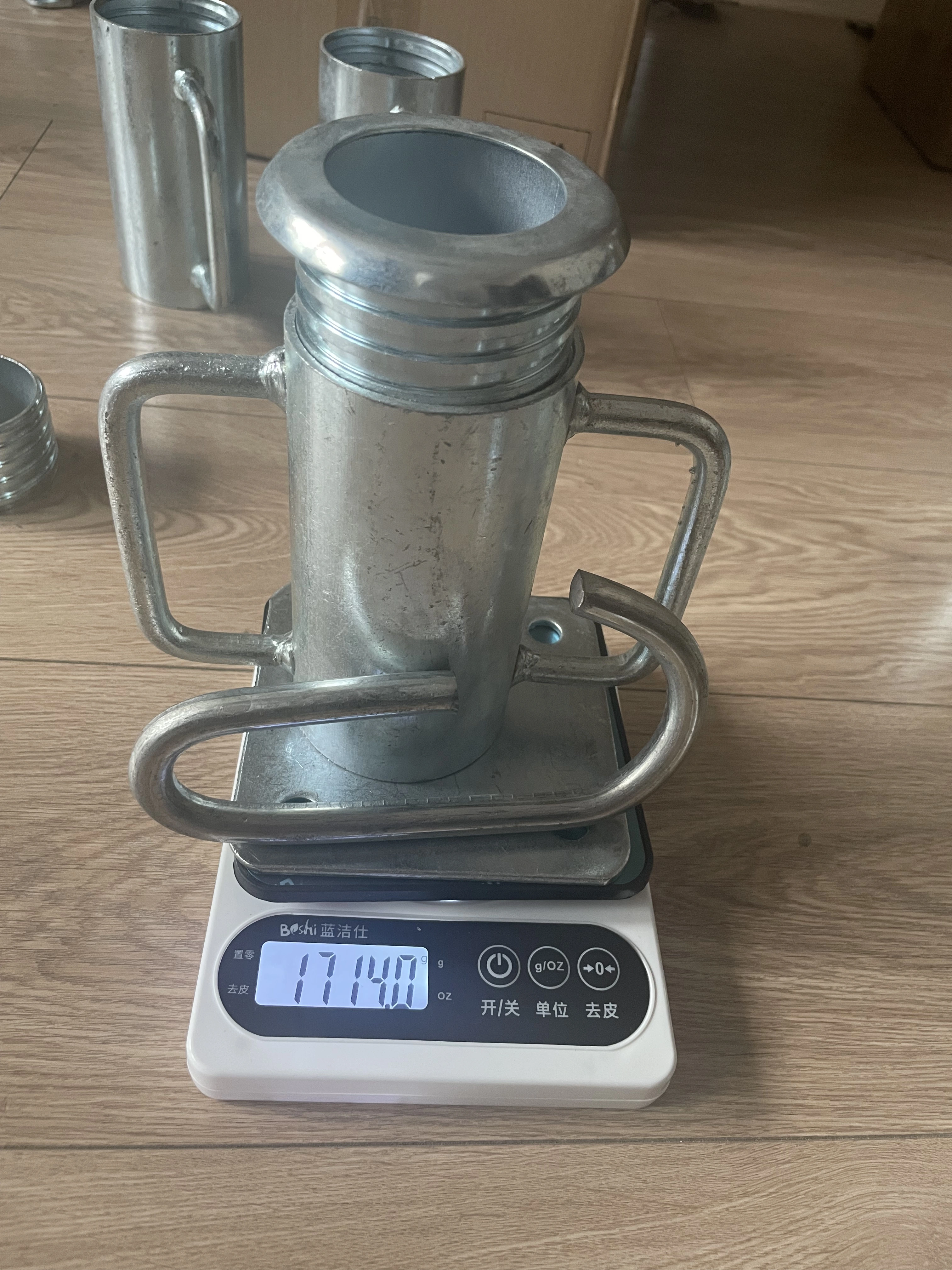
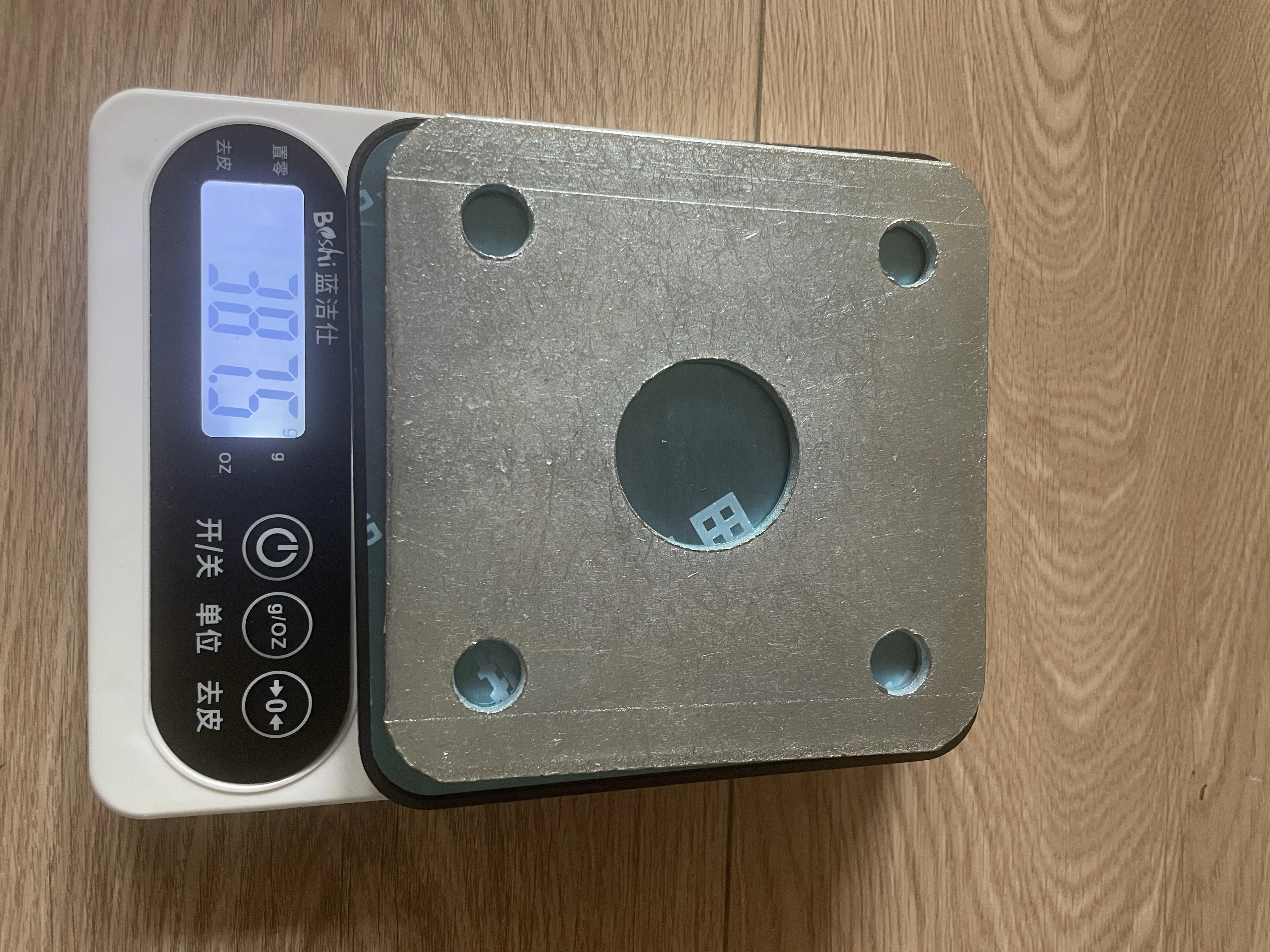
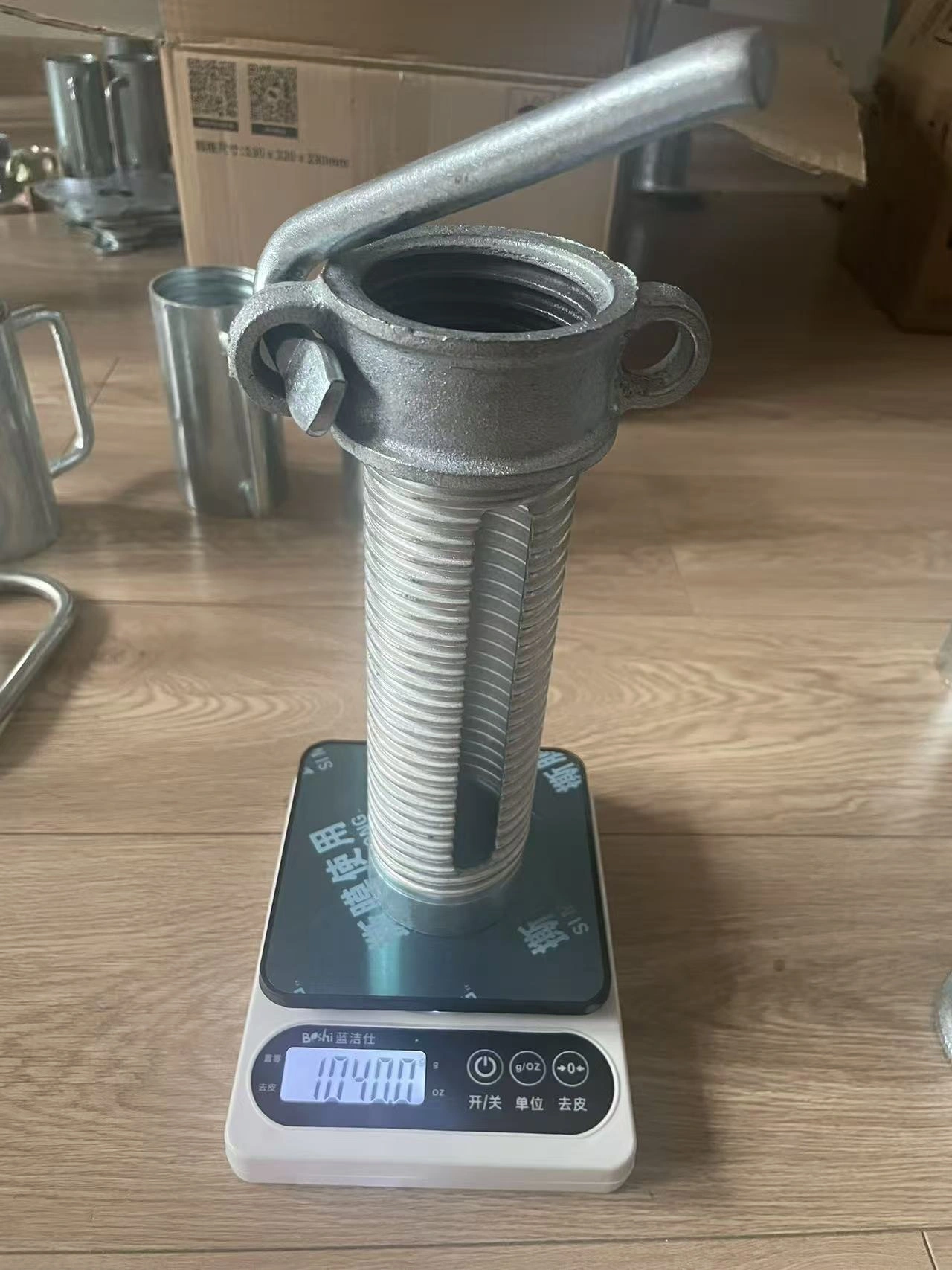
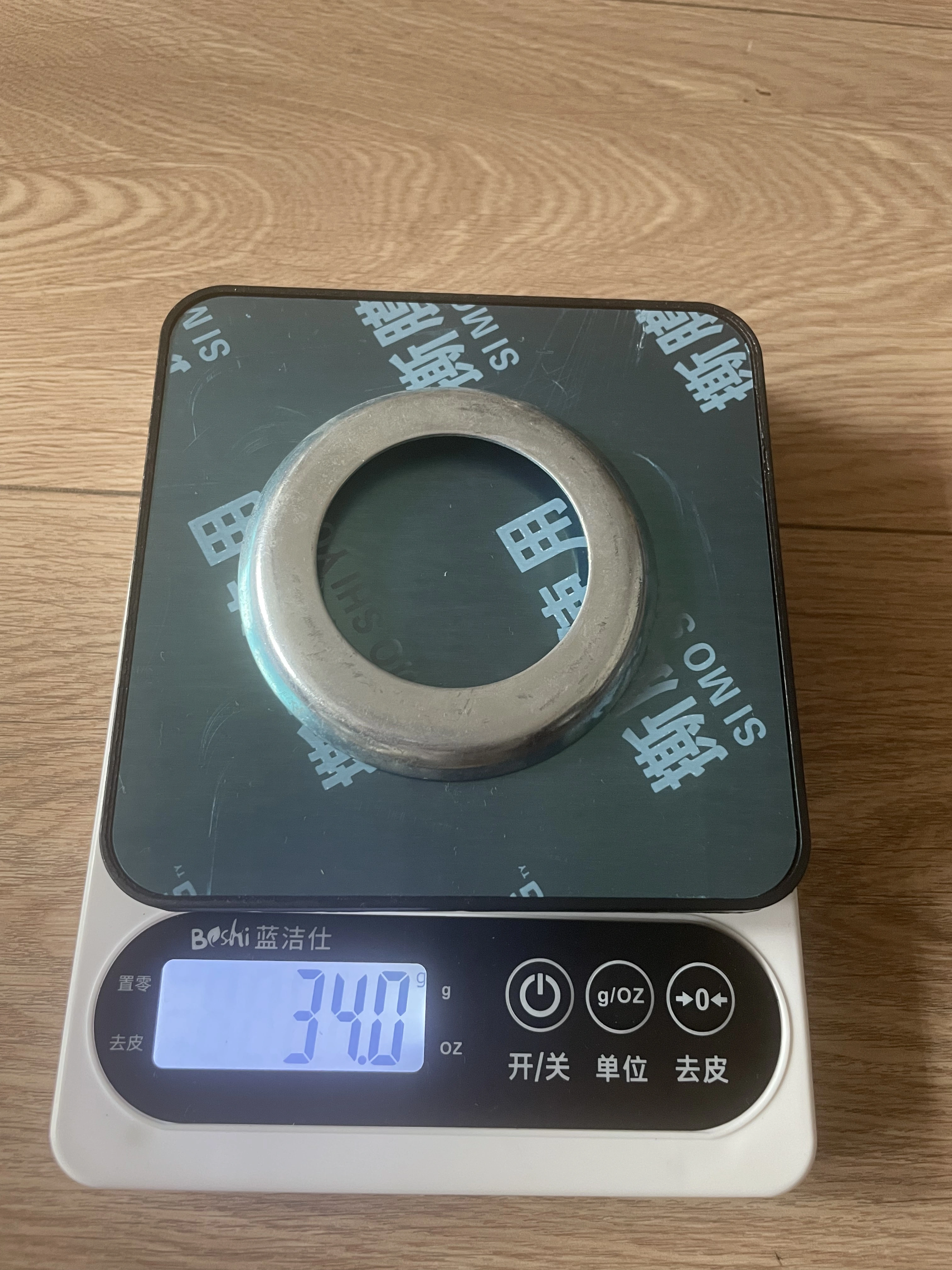
See the actual parts, their sample weights and selected dimensional checks. Use these references to discuss the right sleeve, nut, retaining pin and plate combination for your prop design. Tap any image to inspect the original.
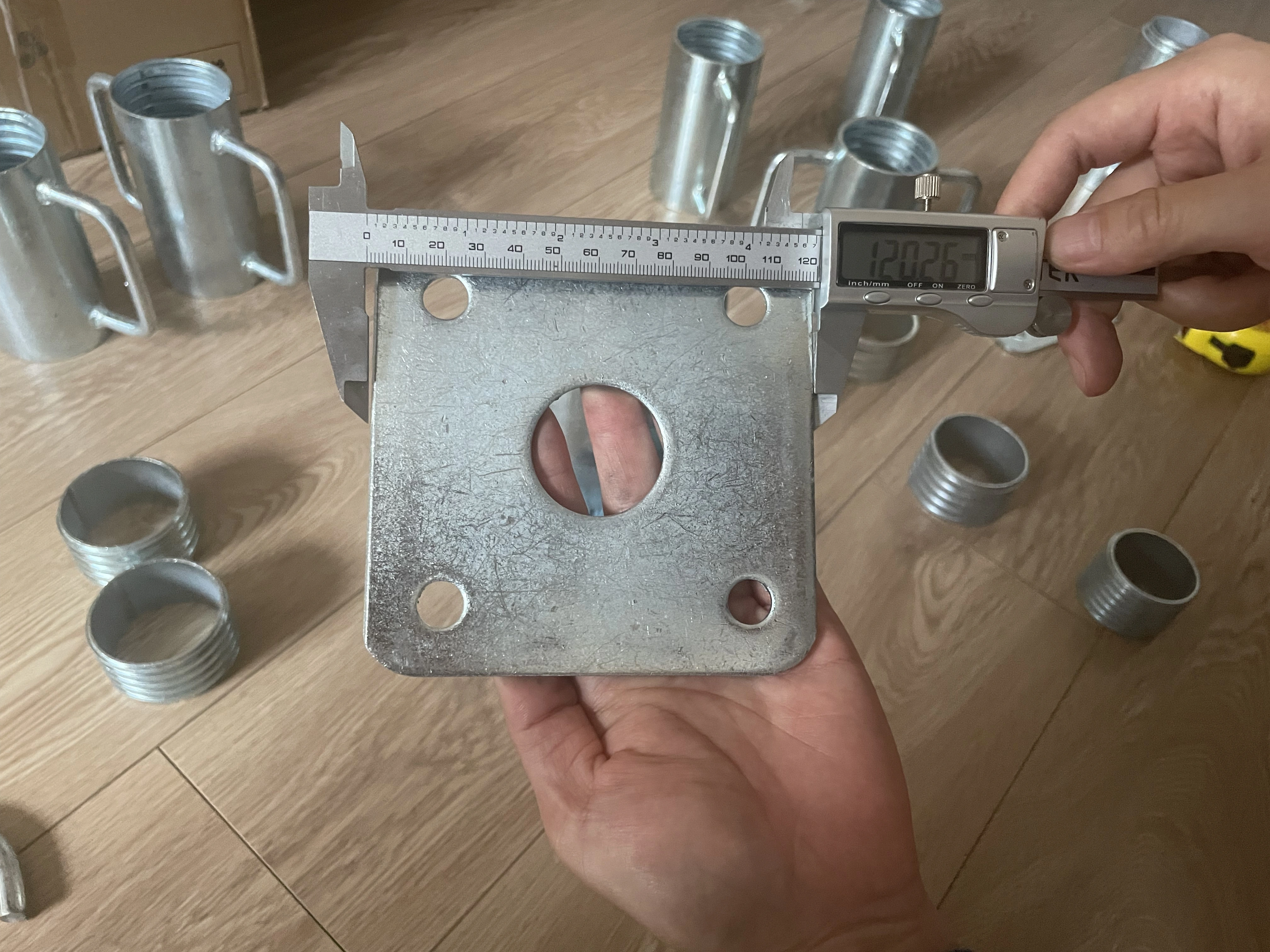
The caliper shows one plate edge. Confirm the full dimensions, thickness and hole pattern.
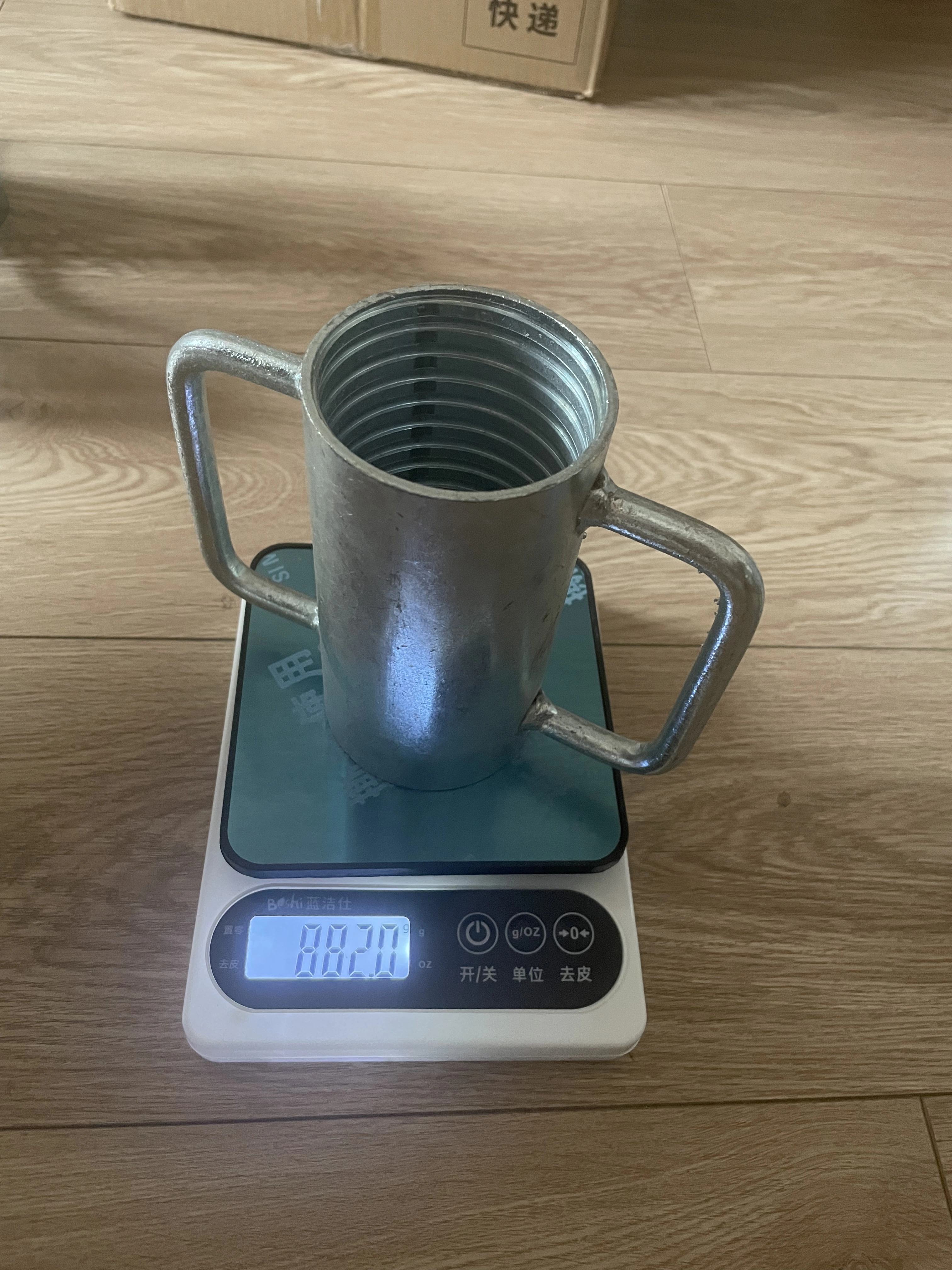
Internally threaded body with welded handles. Specify the mating sleeve and thread fit.
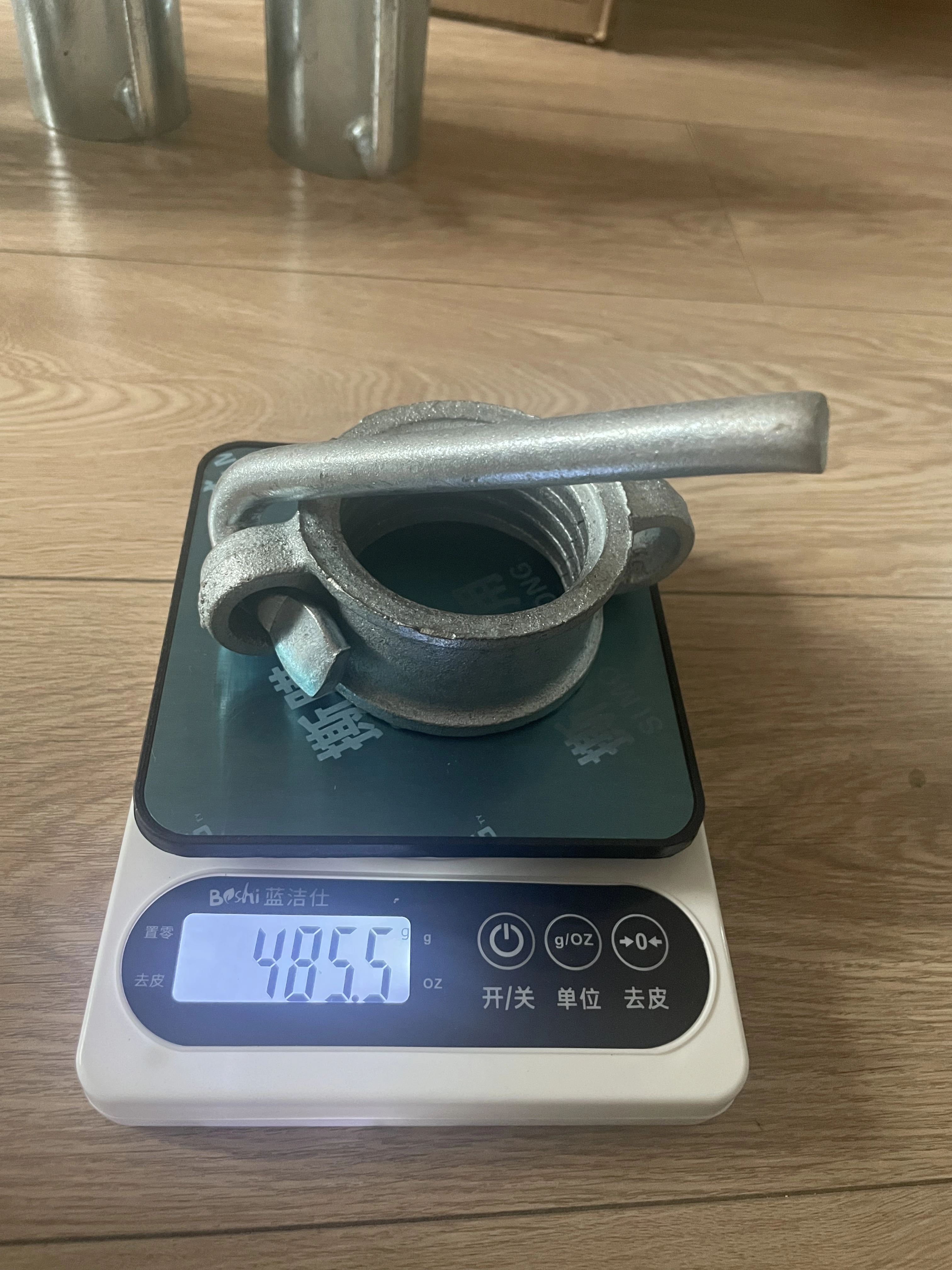
Compact nut with an operating handle. Match the thread and contact face to your prop.
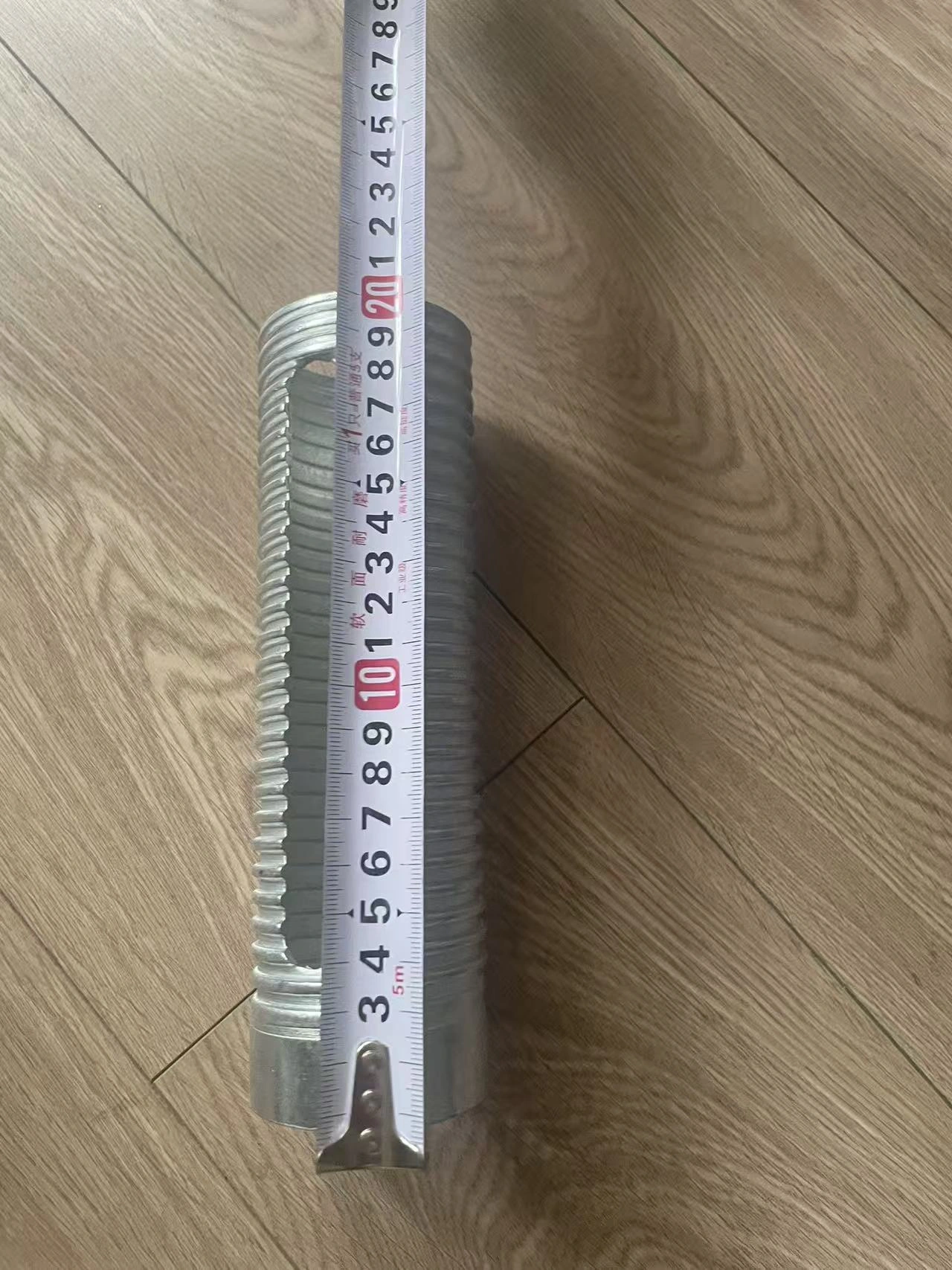
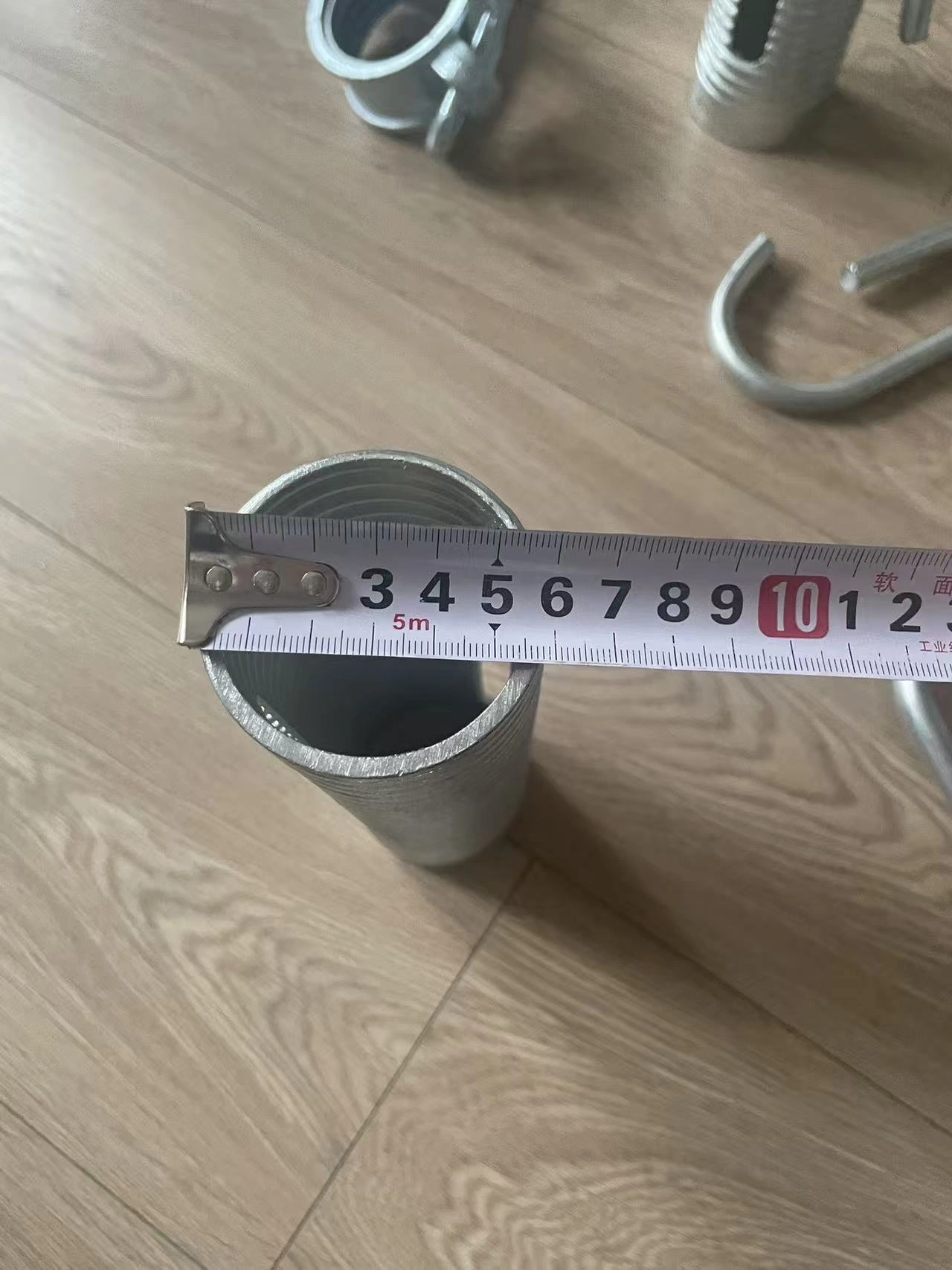
The tape indicates approximately 200 mm. Confirm the sleeve length, slot and thread by drawing.
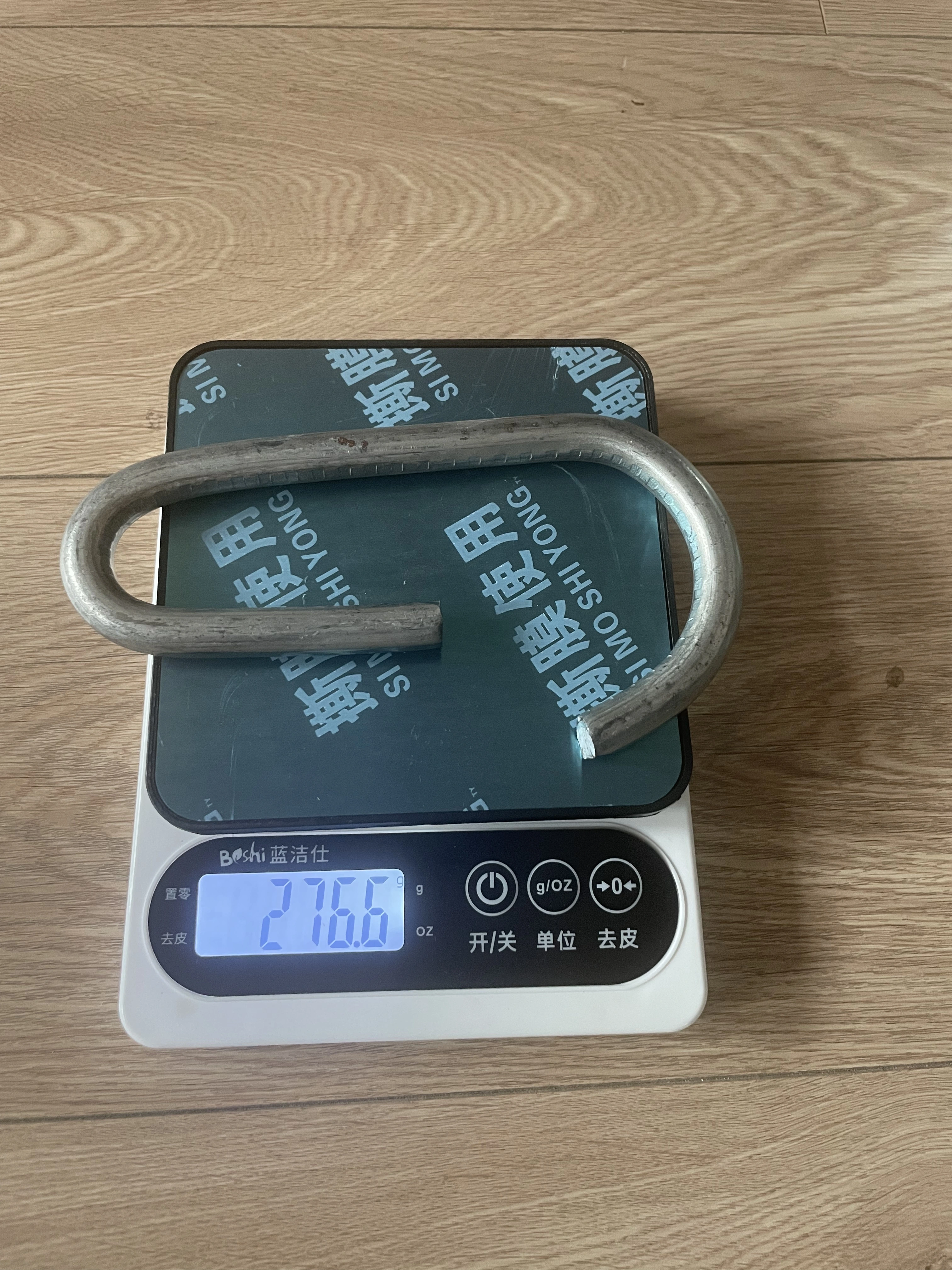
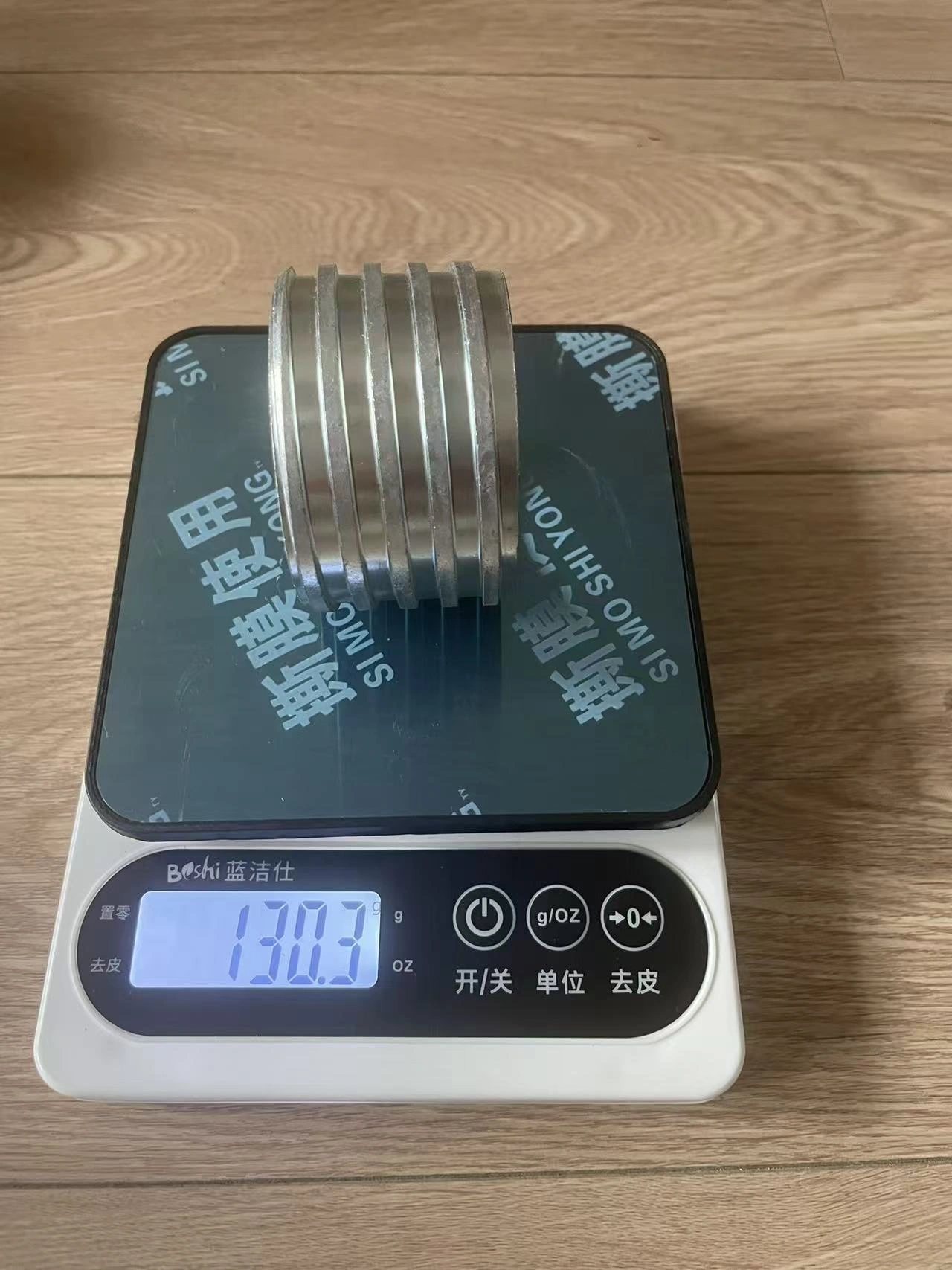
Reference readings from individual samples. These photographs do not define a standard weight or tolerance for every order. Confirm final dimensions, thread fit, material, finish and quantity with Nuohong before production.
Look closely at the photographed assembly or individual component. Weights relate only to the items shown, and dimensional checks are limited to the measurement visible in each photograph.
Real factory footage, with full-frame playback. Choose a film to inspect thread form, handling features and component stock.
Inspect the external thread and longitudinal slot from several angles.
Adjustment nuts, sleeves, formed pins and plates presented together.
Unfinished handled bodies, coated parts and associated prop assemblies.
Enhanced photograph · View original ↗
Send a drawing or sample reference together with your requested quantity, surface finish and packing arrangement.
Discuss component supply ↗Compare handling features, threads and component profiles in the factory sample room.
Choose a contact language and share the component, dimensions and quantity. Add your drawing or photographs in WhatsApp after opening the chat.